
Multifamily
The multifamily track at Broadband Communities Summit 2026 was rich with insight, knowledge, and important takeaways for attendees.
By: Valerie M. Sargent, Broadband Communities
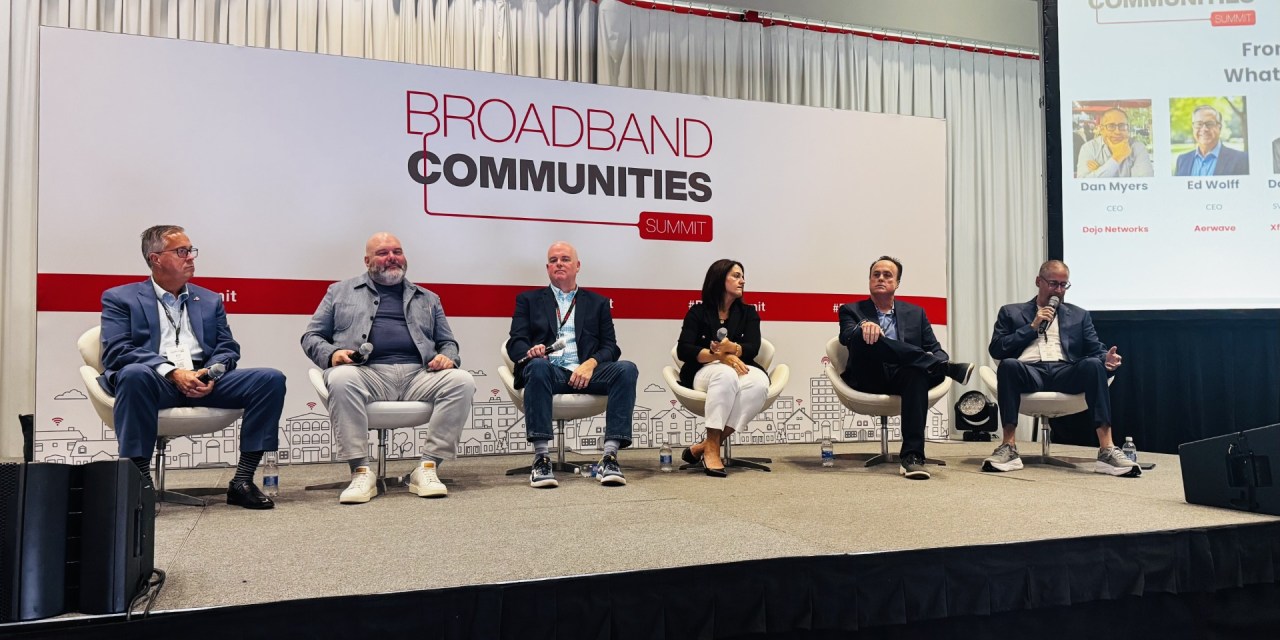
The conversation amongst panelists in the session “From the Provider’s Point of View: What’s Working, What’s Not Working” had a group of broadband providers discussing the many ways that owner expectations have changed, from whole-property connectivity and reliability, to transparency, flexibility, and the resident experience.
The expectations they are hearing from owners today are influencing network design, service delivery, and long-term technology decisions. The conversation made clear that connectivity is increasingly being considered as part of a property’s core infrastructure. Owners are looking beyond just speed and internet service inside individual apartments. Now, they’re really considering the overall reliability, coverage, transparency, and connected experience a resident has throughout the community.
Connectivity beyond the apartment
Residents no longer use connectivity only within the four walls of their homes. They work remotely, they stream, they game, and they use a growing number of connected devices while moving throughout their communities.
At the same time, apartment amenities have expanded. Many multifamily communities today have fitness and wellness centers, coworking areas, pools, outdoor spaces, pet areas, and garages, which are all places where residents expect to remain connected.
Panelists described a growing focus on “complete connectivity,” encompassing not only fiber and managed Wi-Fi, but cellular coverage and connectivity throughout common areas, garages, and other parts of the property as well.
For owners, this means evaluating the experience across the entire community rather than focusing solely on connectivity to individual units.
Reliability, redundancy, and security
Speed remains important, but the discussion repeatedly returned to reliability, coverage, and security as the top concerns of their clients.
As residents increasingly depend on connectivity for work and everyday activities, outages have greater consequences. Providers discussed the importance of redundancy, including secondary fiber connections or alternative technologies that can maintain service when a primary connection is interrupted.
Cybersecurity requirements have also increased. Providers reported seeing greater attention to security standards, insurance requirements, and protections that were not common components of multifamily connectivity agreements a decade ago.
Greater visibility into performance
Owners are asking for more transparency into how their networks are performing. Real-time dashboards and reporting can provide information about support tickets, response and resolution times, outages, and other measures of resident experience. Rather than waiting for residents or property teams to report problems, owners increasingly want visibility into what is happening across the network.
That transparency extends to the provider relationship itself. Owners value partners who can explain what is being recommended, why it is appropriate for the property, and how it can support the owner’s broader strategy.
Successful deployment requires the property team
One key takeaway addressed the importance of involving onsite teams before a new connectivity program launches.
Corporate teams may negotiate and approve an agreement, but property managers and onsite employees are the ones responsible for helping residents navigate the transition. Educating those teams before implementation can help them understand the program, communicate its benefits, and know where to direct residents when questions arise.
Resident education is equally important. Clear move-in communications about the service, network access, and available support can reduce confusion while keeping technical support with the connectivity provider rather than placing that responsibility on property staff.
Building for what comes next
Future flexibility was a recurring theme, particularly as owners consider new construction and property retrofits.
For new developments, decisions made while walls are open can have long-term consequences. Installing appropriate conduit, pathways, and wiring during construction can make it easier to accommodate future generations of Wi-Fi and other technologies.
Existing communities present different and more robust challenges. Providers stressed the importance of conducting physical site surveys rather than relying exclusively on existing plans or desktop evaluations. Buildings change over time, and infrastructure shown on paper may not accurately represent current conditions.
Flexibility is also becoming more important in contracts as regulations surrounding bulk connectivity and resident choice continue to evolve in different markets.
The resident experience remains central
Underlying nearly every topic discussed was, of course, the resident experience.
Residents may not know which company owns the network, what equipment is being used, or how the service agreement is structured. They don’t care. They simply want to know whether their internet service works.
That puts owners and providers in a shared position, serving the same resident. As multifamily technology continues to evolve, the conversation around connectivity is becoming broader than bandwidth or the latest generation of Wi-Fi. Owners are asking how well networks support their properties, how reliably they perform, how easily they can adapt and, ultimately, what kind of experience they are creating for their residents.
Connectivity has evolved into a central part of the infrastructure supporting today’s modern apartment community, and expectations for that infrastructure continue to rise.
Ensure that you are staying on top of what the residents need.
Thank you to the following panelists who contributed to this conversation: Dan Myers of Dojo Networks, Tim Rabdau with Optimum Communities, David Tashjian from Xfinity Communities, Ed Wolff of Aerwave, Matt Wootton with AT&T Connected Communities, and moderator Bryan Rader from Pavlov Media.
Valerie M. Sargent is a multifamily speaker, trainer and executive consultant, and is the multifamily news correspondent for Broadband Communities.
Broadband Communities Summit, co-located with Connected America, brings together the people responsible for planning, developing, building, managing, and future-proofing the nation’s digital infrastructure. It is the premier gathering for the connectivity and telecommunications sector, bringing the entire broadband supply chain together under one roof. Learn more about our 2027 event or book your tickets today.