

Featured Communities
By: Valerie M. Sargent, Broadband Communities
Imagine a fantastic community center in your local area where you could own a portion of that real estate, connect with neighbors, and support your local community and businesses, all with a mission of connecting people to wellness, arts, family, and food … wouldn’t that be great?
Well, it exists in Michigan!
Introducing CommonGrounds
For those of you who were unable to attend the Great Communities session at the Broadband Communities Summit this spring, you would have missed the unique details about this featured community: CommonGrounds Cooperative. At the summit, we heard from Andrew Lutz, the co-executive director, whose presentation sparked significant interest among attendees, many of whom were eager to learn more about how the CommonGrounds process worked.
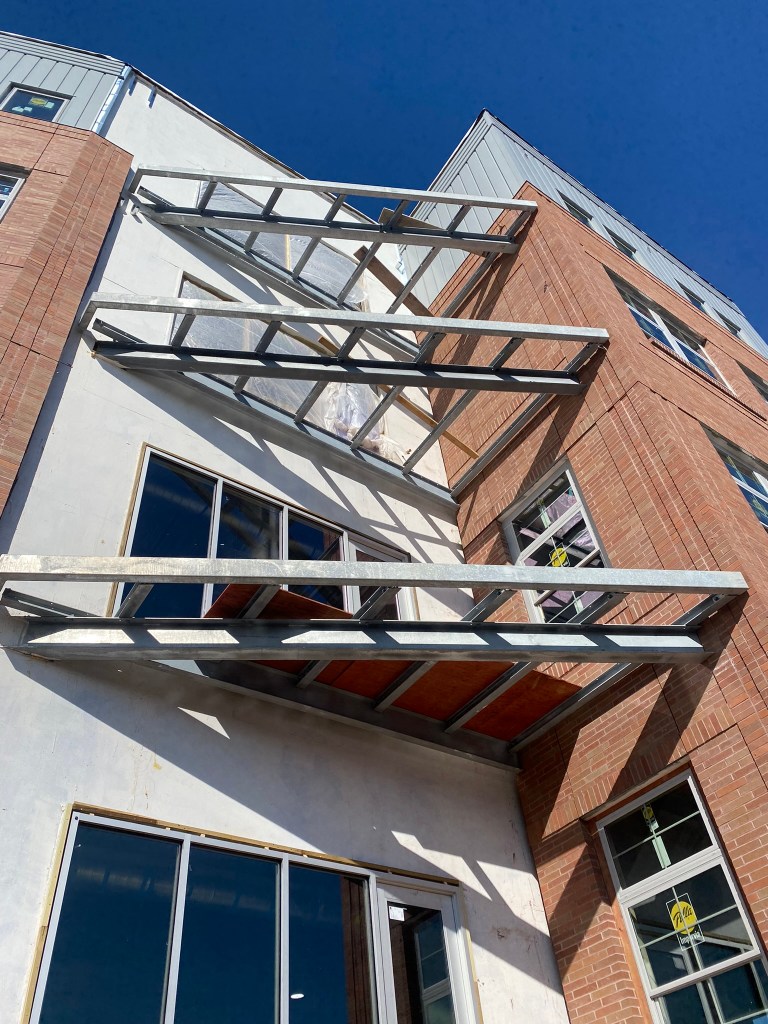
CommonGrounds is a real estate nonprofit cooperative located in Traverse City, Michigan, and the focus is empowering their local community by developing and operating community owned real estate that meets local community needs. This pilot project is co-located downtown with other housing developments and small businesses. A 47,000 square foot mixed use development, the first two floors are primarily commercial space, containing businesses that meet the local community’s needs, and the top two floors contain workforce housing and short-term guest units.
How does the cooperative work?
There are four cooperative pillar areas of food, family, arts, and wellness, and the community has two classes of ownership. The first class of ownership are the businesses that occupy their real estate. These businesses own their spaces and square footage as their share of the co-op and sell their goods and services to the owners. The other class of ownership is the community owners. All owners pay a small equity share. As they stay up to date on dues they can participate in the governance of the co-op, get discounts from all the tenant owner businesses, and access to all the amenity spaces and programs offered in the building.
The residential portion of the community has 24 units in total. At any given time, 19 to 20 of those are long-term residential apartments, and the remainder are short term guest units. There are no federal or state subsidies for the residential programs, so CommonGrounds innovated and created their own benefits. The revenue produced through the short-term guest suite program goes directly to subsidize lower and more affordable rents for the long-term residential units. CommonGrounds follows the state’s supportive housing guidelines, and the residential program has an income qualifying tier with associated rents, depending on the size of the apartment.
Situated along the picturesque Sleeping Bear National Lakeshore in Northern Michigan, this location leverages and benefits from the tourism economy with its short-term guest units. Vacationers are drawn not only by the natural beauty but also by the acknowledgement that their stay contributes to keeping rent affordable for the year-round residents who live and work in the region.
Pandemic delays led to technological advances.
CommonGrounds is a community center, designed with social infrastructure in mind. Deliberately planned, customers must go all the way into the building to access each business and engage with others, rather than entering from the street. The pandemic delayed plans and construction, but this delay made CommonGrounds lean further into technology needs as businesses reopened. They realized their systems needed to be as robust as possible with regard to access control, due to the commercial tenant class of ownership.
The timeline of construction was impacted heavily, running nearly 12 months over the original timeline, and over a million dollars above the original plan, with change orders along the way. Yet, they garnered wonderful community support, and everybody gathered around the project due to its unique, innovative nature. That support and momentum allowed them to pivot with ease.
A triple partnership enabled ideal connectivity and access.
Access control was crucial for accommodating the various use cases of people entering the building. CommonGrounds partnered with Choice Property Resources to coordinate the necessary elements for both the commercial and residential spaces. By then choosing to collaborate with SpotOn Networks and Whitespace Building Technology Advisors, the developers were able to ensure safe, in-person interactions post-pandemic. This approach plan for access control and managed WiFi unlocked the usability of every square foot of the building, making it extremely functional and accessible for those who wanted to work, learn, play, eat, live, or be entertained.
The combined efforts of SpotOn Networks, Whitespace Building Technologies, and Choice Property Resources were instrumental in achieving the project’s goals. SpotOn employed Cloudpath, a key technology that addressed various connectivity needs throughout the building, while Whitespace’s design of the access control system was essential to creating a flexible environment. Together, these solutions enabled a seamless experience across all of the different user levels within the common areas, amenities, and business units.
The building’s advanced connectivity allows for simultaneous activities, such as live streaming a performance to a Patreon page while also hosting retreats or conferences with breakout sessions in multiple amenity spaces. The facility is equipped with meeting rooms featuring conference technology and classrooms designed for connected learning environments, particularly in the teaching kitchen. SpotOn’s technological solutions and training empowered tenant owners to manage these systems effectively, ensuring their staff and customers could utilize the building’s connectivity throughout the building with ease.
“I think a big takeaway about the Common Grounds Cooperative, which I didn’t fully anticipate as a project director, is how powerful technology and connection can be in compounding social capital. It’s about unlocking the potential of buildings and moving beyond the typical multifamily and commercial tenant scenario where everyone is isolated in their units, chained to their routers. Instead, people come out, interact, share stories, meals, workloads, and ultimately their lives, creating real value in the community.”
– Andrew Lutz, the co-executive director of CommonGrounds
Vital Statistics

Property description: Common Grounds Cooperative is a real estate non-profit cooperative located in Traverse City, Michigan. The cooperative operates a 47,000-square-foot mixed-use development co-located downtown with other housing developments and local small businesses along the scenic Boardman-Ottaway River. The property includes commercial spaces for businesses that align with the cooperative’s pillars of food, family arts, and wellness, alongside two floors of workforce housing and short-term guest stay units.
Greenfield or retrofit: Greenfield
Number of units: A mixed use composed of 24 residential units, including 19-20 long-term residential units, 4-5 short-term guest stay units, and 12 commercial offices, including short term office rentals.
Style: Mid-rise
Time to deploy: The deployment faced a delay due to the pandemic, resulting in a timeline that extended 12 months beyond the original schedule.
Date services started being delivered: The Wi-Fi network activation date was November 1, 2022. The backhaul circuit for the network is through the local utility company, Traverse City Light & Power, also known as TCLPfiber.
Did the Property Have Any Special Requirements?
The property required robust access control and seamless live streaming capabilities due to its mixed-use nature and the need for high-quality, accessible connectivity across various commercial and residential spaces.
Lessons Learned
What feedback does the leasing/sales office get from residents/guests?
The feedback highlights the benefits of having high-quality internet connectivity throughout the building, enabling seamless live streaming, efficient access control, and the ability to use common areas and amenity spaces effectively.
What was the biggest success?
The biggest success was the seamless integration of managed Wi-Fi and access control systems, which enhanced the usability and accessibility of the entire building. This technology allowed for diverse use cases, such as live streaming performances, conducting conferences, and supporting various tenant businesses.
What should other owners consider before they start on a similar deployment?
Owners should consider the importance of robust technology infrastructure, especially in mixed-use developments. Planning for comprehensive access control, high-quality internet connectivity, and the ability to adapt to various use cases is crucial. Additionally, the support and training provided to the commercial tenant owners regarding the use of managed Wi-Fi solutions was essential for seamless operation.
Services
Services offered or planned on the network:
- High-speed internet connectivity
- Live streaming capabilities
- Access control systems
- Managed Wi-Fi solutions for tenant businesses
- Support for various commercial and residential use cases
Provider choice:
Choice Property Resources was contracted to coordinate the connectivity needs. SpotOn Networks and White Space Building Technologies were chosen for their innovative solutions and ability to meet the property’s diverse needs.
Do additional service providers operate separate broadband networks on the same property?
Yes
Is the point of contact for resident technical support the property manager, the service provider, or a third party?
The point of contact for resident technical support is the service provider, SpotOn Networks, which also trained tenant owners to help manage and troubleshoot the network.
Valerie M. Sargent is a multifamily speaker, trainer and executive consultant, and is the multifamily news correspondent for Broadband Communities. Contact her at http://www.valeriemsargent.com. Richard Sherwin, the CEO of SpotOn Networks, contributed to this article.
To get content like this delivered to your inbox, subscribe to the Broadband Communities newsletter.