

News
New research highlights cost savings passed onto multifamily owners from smart locks and electronic access control systems.
By: Brad Randall, Broadband Communities
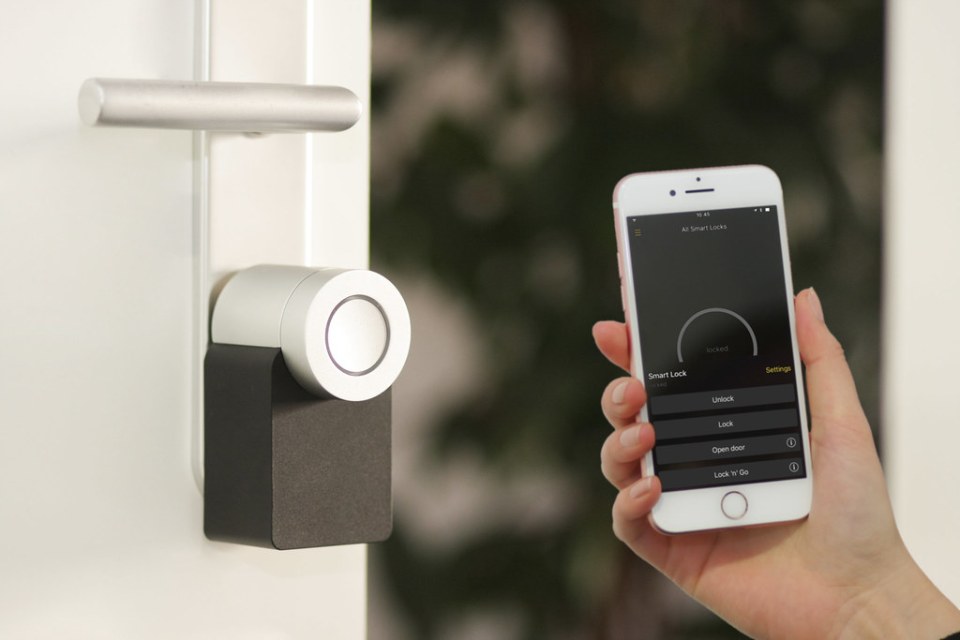
Multifamily properties receive 10 percent fewer maintenance requests after installing smart door locks and electronic access control systems, according to new research.
The findings were published by Parks Associates, a market research and consulting company that specializes in emerging consumer technology products and services.
Elizabeth Parks, the president and CMO of Parks Associates, commented on the research, published in a recent whitepaper.
“Smart building solutions can create innumerable benefits to multifamily properties, provided the deployment and ongoing support are planned correctly for each property,” Parks said, according to the company’s June 19 release.
The whitepaper, titled Smart Tech for Multifamily Properties: Understanding ROI, concluded that smart door locks and electronic access control systems saved an average of $80,000 per year, per building.
According to the whitepaper, which is available for download here, on Parks Associates’ website, the increased efficiencies created by the technologies were thanks to a reduction of time spent on maintenance requests.
Similarly, properties saved with a reduction of costs when it came to replacing locks and doors, the research revealed.
The findings were the result of “10 interviews with leading multifamily owners, operators, and management companies across the United States,” according to Parks Associates.
The interviews included “a diverse mix of company sizes, building types, and geographies across the U.S. market,” according to the published whitepaper.
The company’s June 19 release also touched on recent data that sheds light on some multifamily-dwelling unit trends.
“Parks Associates’ latest research finds a high interest in energy systems and services among MDU property owners and managers, with 69% showing interest in a backup power service and 56% showing a high interest in a generator for backup power during outages,” the company’s announcement stated.
To get content like this delivered to your inbox, subscribe to the Broadband Communities newsletter.