

News
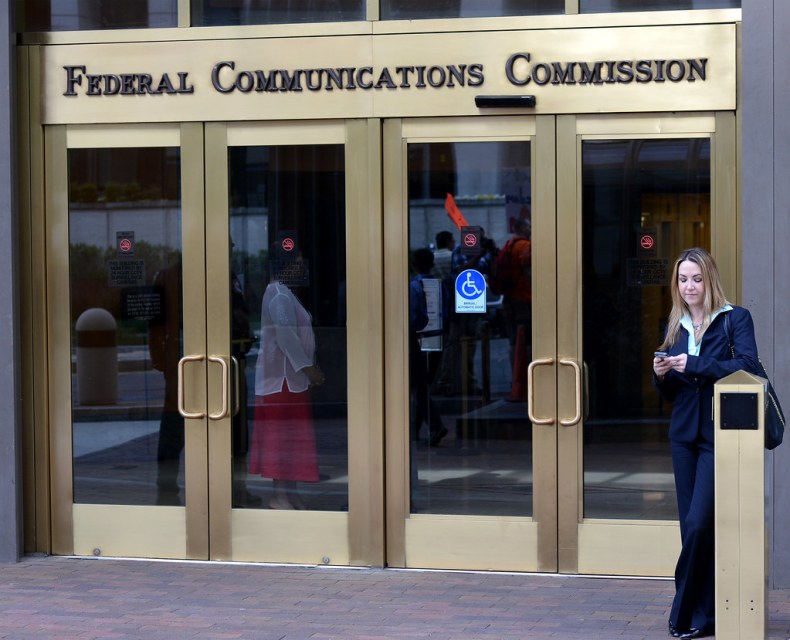
Responses to the FCC’s push to restore net neutrality have been mixed.
By: Brad Randall, Broadband Communities
Shirley Bloomfield, the CEO of the Rural Broadband Association (NTCA), has reacted to the Federal Communications Commission’s (FCC) draft order on net neutrality and advocated for changes before the order is finalized.
Bloomfield, in a statement released Thursday afternoon, said the FCC’s draft order “neglects the significant diversity and complexity of the broader online ecosystem” by homing in on last-mile retail ISPs as part of an effort to make sure subscribers in high-cost areas are not paying higher rates.
The FCC’s draft order, if approved, would reclassify broadband as a common carrier service, and subject broadband service to regulatory oversight in regard to consumer pricing.
Both the White House and the National Telecommunications and Information Administration (NTIA) support the push to restore net neutrality, according to a recent release posted on the NTIA’s website. NTIA Administrator Alan Davidson’s comments were included in the NTIA’s March 21 release.
“Fair and open access to the Internet underpins virtually every aspect of American life,” said NTIA Administrator Alan Davidson, according to the NTIA’s statement. “The Biden Administration supports the FCC’s efforts to put rules in place that preserve an open internet, promote national security, and protect consumers.”
The NTIA’s statement also highlighted national security concerns that could be addressed with the restoration of net neutrality.
“NTIA’s filing notes the importance of FCC authority over internet service providers to support national security,” the statement read. “Without this authority, the FCC has limited ability to stop networks controlled by foreign adversaries from providing internet services in the U.S.”
President Joseph Biden previously encouraged the FCC to restore net neutrality rules with a July 2021 Executive Order on Promoting Competition in the American Economy, the NTIA’s recent release stated.
Net neutrality in the U.S. was put in place in 2015, with the FCC’s Open Internet Order, but the decision was later reversed during the administration of former President Donald Trump.
Since then, some have taken it upon themselves to enact net neutrality rules, like California, which enacted the California Internet Consumer Protection and Net Neutrality Act of 2018, which was signed into law in September of that year.
When it comes to enforcing new standards, Bloomfield’s statement expresses concern that last-mile ISPs could be singled out for scrutiny.
“Middle mile networks, transit and peering networks, internet backbones, content distribution networks and large so-called edge providers have just as big a role as retail ISPs in ensuring the effective workings of this online ecosystem and in satisfying consumer expectations,” Bloomfield’s comments stated. “And many of these other entities often have far more market and bargaining power than the kinds of ISPs to which this draft order would apply.”
Bloomfield’s comments continued.
“Interconnection incentives and responsibilities among all of these entities should be front and center in any discussion of the advancement of broadband to all Americans.”
The FCC’s draft order, which is hundreds of pages long, would compel providers in rural, high-cost areas to charge subscribers rates that are not higher than subscribers who live in urban areas.
According to an FCC factsheet submitted with the draft order, the proposal would also “prohibit blocking, throttling, or engaging in paid or affiliated prioritization arrangements” and would give the agency “additional authority to safeguard national security, advance public safety, protect consumers, and facilitate broadband deployment.”
Bloomfield said the NTCA has long advocated for principles of protecting consumers, promoting competition, and ensuring universal service. As such, her comments expressed concerns that conclusions reached in the FCC’s draft order about the impacts of the net neutrality reforms are unsupported.
She said the FCC’s draft order could “not only forbear but could effectively foreclose much-needed debate in the near term about how to preserve and advance universal service and potentially save an important initiative like the Affordable Connectivity Program.”
At the conclusion of her statement, Bloomfield said she hopes the FCC continues to engage with stakeholders.
“We hope that meaningful and productive conversations on these issues will continue in the coming weeks before this order is finalized,” her comments read.