

Contributed Article
Housing affordability, housing finance reform, and technology all remain top priorities for the rental housing industry.
By: Daria Dudzinski, RETTC and Valerie M. Sargent, Broadband Communities
The National Multifamily Housing Council (NMHC) hosted its Fall Board of Directors Meeting September 15–17, 2025, in Washington, D.C., with a strong focus on policy, advocacy, and the future of rental housing.
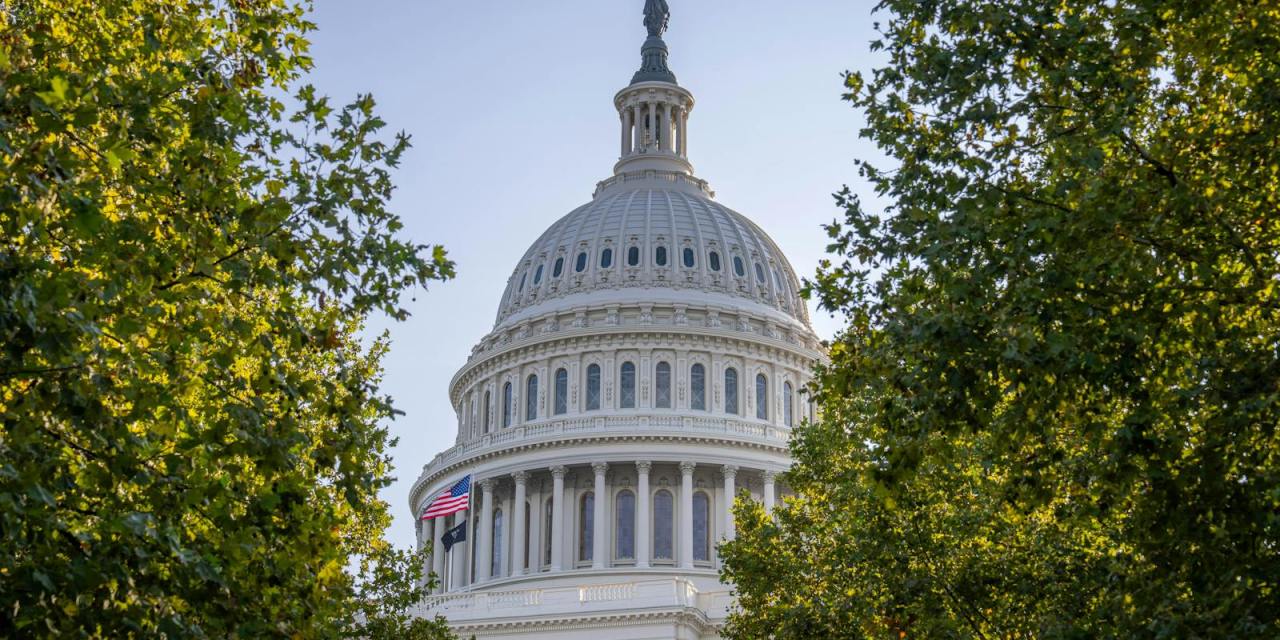
Members of the Real Estate Technology and Transformation Center (RETTC) joined as the meeting concluded with the NMHC/RETTC Advocacy Day, bringing members of both organizations to Capitol Hill to discuss housing and technology priorities directly with lawmakers.
Previously scheduled in conjunction with OPTECH, Advocacy Day was repositioned this year to align with the Fall Meeting, a conference already dedicated to policy and advocacy issues. This shift provided an ideal platform for NMHC and RETTC members to amplify their collective message at the very moment industry leaders were already gathered in Washington to discuss housing and regulatory challenges.
The Fall Meeting drew nearly 400 attendees. Advocacy Day participants represented 21 states and took part in more than 70 congressional meetings on Capitol Hill, engaging with offices on both sides of the aisle. Key committees included House Financial Services, Ways and Means, and Energy and Commerce – jurisdictions central to housing finance, tax policy, and technology.

Advocacy Day programming opened with remarks from Congressman French Hill (R-AR), HUD Secretary Scott Turner, and Senator Todd Young (R-IN), followed by a panel of senior congressional staffers offering insights into the current political landscape. The agenda underscored how both housing and technology are top-of-mind in today’s policy conversations, and how the multifamily industry can provide solutions.
Housing affordability: Tackling the shortage
The first advocacy priority addressed the severe nationwide housing affordability challenge. More than half of U.S. renters spend over 30 percent of their income on housing, while research shows the nation must build 4.3 million apartments by 2035 to meet demand. Of those 4.3 million, 600,000 units are still needed just to recover from years of underbuilding since the 2008 financial crisis.
NMHC and RETTC members emphasized that restrictive zoning, lengthy permitting processes, and regulatory costs – now accounting for over 40 percent of development expenses – are driving rents higher at a time when rents are already high. They called on Congress to expand the Low-Income Housing Tax Credit, create a Workforce Housing Tax Credit, increase funding for subsidy programs like Section 8, HOME, and FHA Multifamily, and deliver meaningful regulatory relief.
The message was clear: housing affordability requires a comprehensive response that leverages both public and private resources to expand the nation’s housing supply.
Housing finance reform: Safeguarding multifamily lending
The second key priority was housing finance reform, with a focus on preserving the role of government-sponsored enterprises (GSEs) Fannie Mae and Freddie Mac. These institutions provide vital capital for multifamily housing, ensuring liquidity in both stable and turbulent economic conditions.
Through past economic downturns, the multifamily divisions of Fannie and Freddie played a critical countercyclical role, keeping capital available even as private markets contracted. NMHC and RETTC members urged Congress to protect this reliability, maintain the GSEs’ existing multifamily risk transfer models to safeguard taxpayers, and ensure that any transition out of conservatorship avoids market disruptions.
Read more from multifamily contributor Valerie Sargent
Viewpoints: California bill would hurt broadband affordability, access (August 2025)
Viewpoints: Why the FCC’s ‘MTE Proceeding’ should be terminated (July 2025)
Multifamily financing has unique characteristics that must be recognized in any reform effort. Protecting these structures is essential to ensuring that capital remains accessible in all markets and for all types of rental housing.
Technology: Driving innovation and access
The third advocacy priority highlighted the role of technology in advancing housing affordability and improving resident experiences. RETTC encouraged discussions around artificial intelligence (AI), broadband connectivity, and data privacy – issues that are increasingly shaping the rental housing ecosystem.
Policymakers were urged to adopt a balanced approach to AI regulation that supports innovation while preserving consumer protections, and to enact a comprehensive federal data privacy and security standard to replace the fragmented patchwork of state laws. Members also stressed the importance of broadband deployment, pointing to bulk billing and managed Wi-Fi as proven tools that expand access and lower costs for renters.
This was especially important for those members from California who wanted to address the potential impact of AB 1414 with regard to bulk billing.
Technology is transforming rental housing, from streamlining operations to making communities more connected and affordable. NMHC and RETTC emphasized that smart, forward-looking policies are essential to ensure these innovations continue delivering benefits to both residents and housing providers.
Advancing the industry’s voice
With more than 70 meetings held, NMHC and RETTC members made a significant impact on Capitol Hill. By representing the multifamily industry from 21 states, participants provided lawmakers with a clear picture of the challenges and opportunities facing housing providers nationwide.
Repositioning Advocacy Day to the Fall Meeting proved a success, offering the right timing and audience to elevate housing and technology priorities in Washington. The unified message was clear: solving the nation’s housing crisis requires action on affordability, safeguarding multifamily financing, and embracing technology as a force for good.
As policy discussions evolve, NMHC and RETTC will continue to build on the momentum from Advocacy Day, ensuring that the voices of housing providers and technology leaders remain at the center of the national conversation.
Daria Dudzinski is Advocacy Director for the Real Estate Technology & Transformation Center (RETTC) and can be reached here.
Valerie M. Sargent is a multifamily speaker, trainer and executive consultant, and is the multifamily news correspondent for Broadband Communities. Visit her website to learn more.
Get content like this delivered to your inbox! Subscribe to the Broadband Communities newsletter.