
News
Safeguarding cable landing stations, E-Rate, and red tape around broadband deployments are on the docket for the FCC’s June 25 open meeting.
By Brad Randall, Broadband Communities
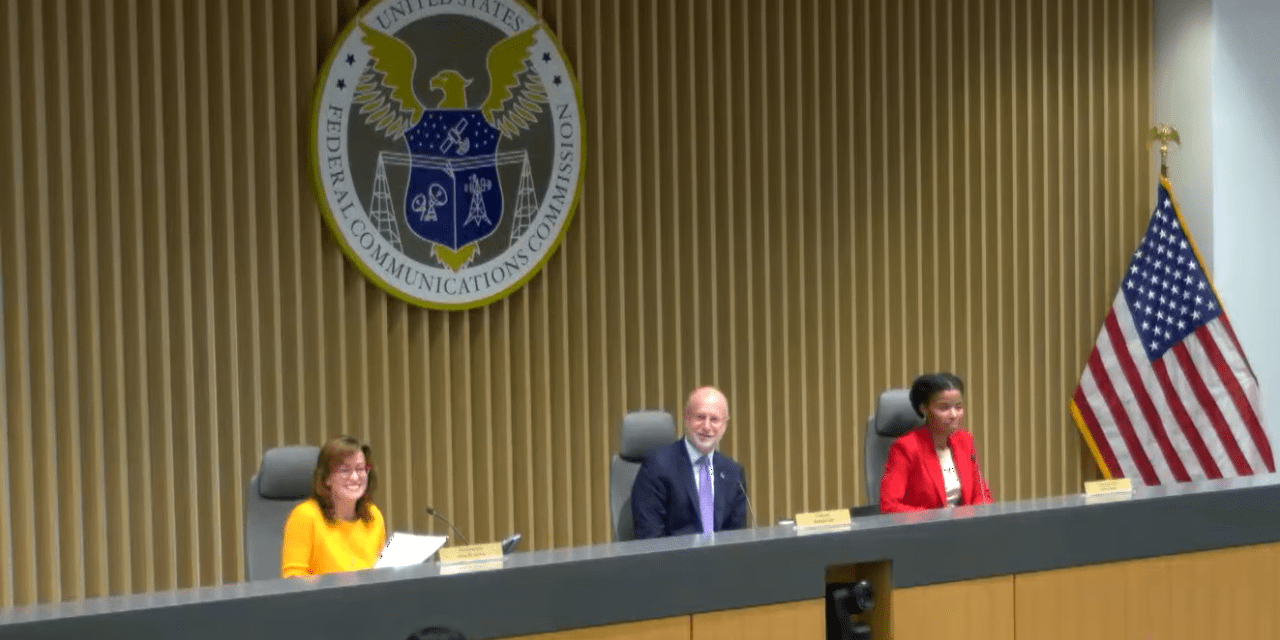
June 22, 2026 — It’ll be all eyes on the FCC Thursday as commissioners gather to consider a slate of actions that could get the ball rolling on reforms to broadband deployment permitting, E-Rate, and cable landing station licensing.
Here’s a breakdown of some key items on the FCC’s June 25 meeting agenda.
Streamlining broadband deployments
The FCC will first consider whether or not to seek comment on proposed rules from Chairman Brendan Carr that would then solicit comments on standards for when state and local statutes, regulations, and legal requirements surrounding broadband deployments have a prohibitive effect in violation of the Communications Act.
The discussion will happen in front of an interesting backdrop. Network deployment challenges caused by state-level pole attachment regulations have become a growing concern at the FCC.
On June 11, the FCC’s Wireline Competition Bureau issued a public notice reminding 23 states and Washington D.C. of their legal obligations to comply with the Communications Act. And the FCC is currently seeking comments from stakeholders on the matter.
Last year, the FCC began investigating whether state and local governments were prohibiting the provision of wireline telecommunication services.
According to the June 3 release from Carr’s office, such prohibitions would be in violation of Section 253 of the Communications Act.
Focus will turn to E-Rate
The second item on the agenda for the FCC’s open meeting will center around the E-Rate program.
After discussing broadband deployments, the FCC will consider another Notice of Proposed Rulemaking (once again from Carr) that would get the wheels in motion for a review of the program.
Carr fears rising screentime is directly related to worsening educational outcomes.
For those unaware, E-Rate is a multi-billion-dollar program run by the FCC. The program extends discounted internet access and communications services to eligible schools, libraries, and other educational institutions.
If the FCC on Thursday approves Carr’s proposal, the commission will seek comment on how to better protect children involved in the program.
Advocates for E-Rate are nervous, meanwhile.
A June 4 FCC factsheet mentioned the possibility of sunsetting the Congressionally conceived program. Advocates say that would exceed the commission’s authority.
Submarine cable landing station licensing
Also on the FCC’s June 25 agenda are draft rules that would streamline the deployment of submarine cables.
If approved, the new rules could give a leg up to operators that have managed submarine fiber-optic cables in the U.S. without incident.
For instance, one of the draft rules would waive review by an executive branch interagency task force, known as Team Telecom, for some applicants.
Applicants who have operated cables without incident will be eligible for the waiver, provided they can meet national security standards and agree to ongoing oversight and monitoring.
Another draft rule being considered by the FCC would create a licensing standard for owners and operators of submarine line terminal equipment.
Earlier this month in a June 3 release, Carr’s office said its goal is to ensure they have oversight over “one of the most vulnerable parts of the submarine cable networks.”
Submarine line terminal equipment performs the most critical function of a submarine cable system by connecting to U.S. terrestrial facilities, according to the FCC.
Get this news in your inbox. Subscribe to the Broadband Communities newsletter!