
News
Proposed changes to the Lifeline program at the FCC could lead to eligible households losing federal support, one FCC commissioner says.
By Brad Randall, Broadband Communities
Households eligible for the government’s Lifeline program stand to lose up to $9.25 per month, and as much as $34.25 per month on Tribal lands, if changes to the program are passed next month.
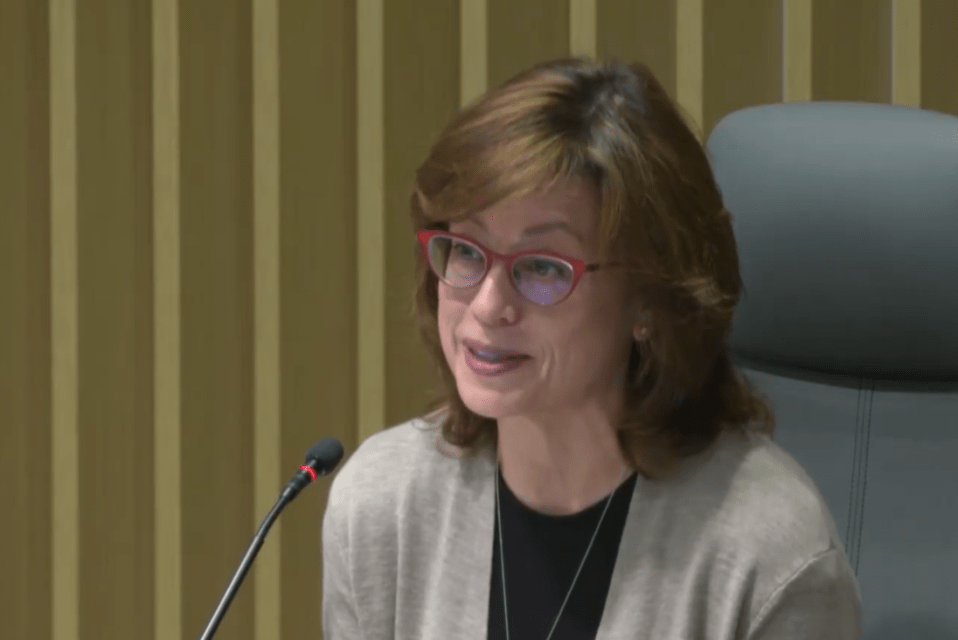
That’s according to FCC Commissioner Ana M. Gomez, who released a statement Tuesday calling the proposed changes “especially shortsighted” given high costs of living and the recent lapse of the Affordable Connectivity Program.
Also in a statement Tuesday, FCC Chairman Brendan Carr said the proposed changes will combat what he called “waste, fraud, and abuse.”
“It should go without saying that only beneficiaries that are both living and here legally should qualify for benefits under this program,” Carr said. “But the data to date shows that this is not the case.”

Carr singles out California
According to Carr, over 80% of “scams” associated with Lifeline took place in California.
He further argues that providers in the state “received nearly $5 million in federal dollars to provide phone or internet service to more than 116,000 dead people in the three opt-out states,” citing a recent inspector general advisory.
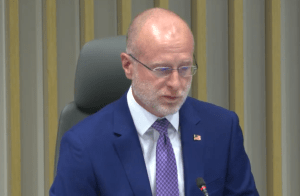
FCC Chairman Brendan Carr
Carr also claims there has been “a recent rise in non-citizens fraudulently obtaining social security numbers.”
He says, “the current verification process does not do a good enough job at preventing duplicative subscriptions and similar abuse.”
“So, the FCC will be voting on a plan to address all of these issues,” he said. “Your hard-earned dollars should only be going to those households that Congress intended to benefit.”
Additionally, the FCC has revoked California’s status as an opt-out state, which had allowed the state to run its own process to verify subscriber eligibility for Lifeline.
Gomez, meanwhile, says Republicans on the FCC are using the Lifeline program as a political tool.
“The FCC should be focused on making connectivity more affordable,” said Gomez, the lone Democratic commissioner on the FCC, “not erecting new barriers that risk raising phone and internet bills for the people who can least afford it.
Get news like this in your inbox. Subscribe to the Broadband Communities newsletter!