
Featured Story
Connectivity, while it might be in short supply after a disaster, is the most crucial element of disaster response, according to Jason Malmquist, an executive VP and head of software and IT business services at CHR Solutions.
By: Brad Randall, Broadband Communities
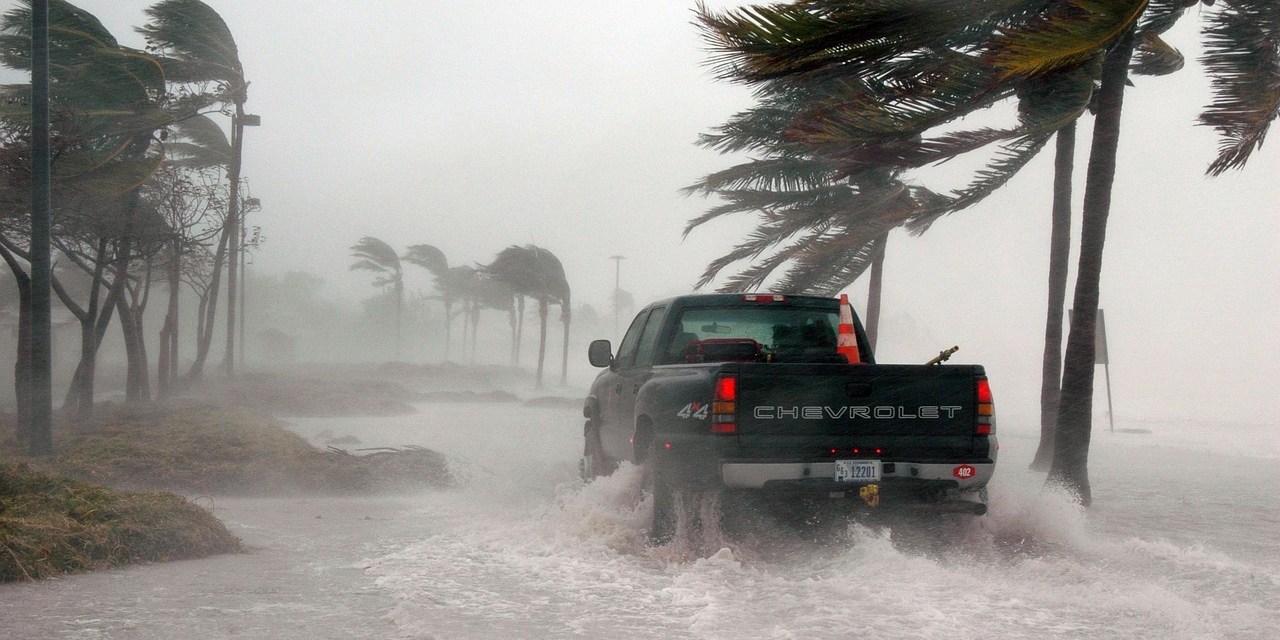
Devastation brought by two major hurricanes in the U.S. Southeast has sent some internet service providers into disaster response postures, while others are considering how to protect themselves in similar situations.
Jason Malmquist, the head of software and IT business services at CHR Solutions, said now is the time for broadband carriers to begin thinking about the unexpected.
While speaking to BBCMag.com this week, Malmquist said weather disasters can feel very similar to cybersecurity disasters.
“When you get taken down, it feels the same,” he said, comparing severe cybersecurity incidents to the near-instant damage that can be caused by tornadoes within minutes.
Malmquist said broadband providers should proactively prepare for the event that they are “completely down.”
“The number one thing you have to be able to do is communicate,” he said.
Malmquist said outfitting trucks with CB radios, or steps like providing handheld radios to crews and investing in satellite phones can help broadband carriers communicate in the aftermath of disasters.
He added that providers should game-plan how they’d respond to multiple types of disasters, and credited the work being down in Florida when it comes to service restoration.
“I think Florida’s done a fantastic job,” Malmquist said.
He said providers that pre-emptively staged disaster response crews near the cone of impact for landfalling hurricanes have been most prepared for the storm’s aftermath.
“That pre-staging, I think, is a huge, huge part of this. Being ready beforehand and saying, ‘everybody know what you’re supposed to do.'”
He also said response teams should be prepared to act while shorthanded, given the nature of disasters and the possibility that a worst-case scenario might impact some response crews.
‘Always be prepared’
Lastly, Malmquist said it’s important for broadband carriers regularly take snapshots of network configurations, which can save time in the event networks will need to be restored.
“Always be prepared” is the best strategy, Malmquist said, citing the motto of the Boy Scouts of America, and emphasizing the need to refrain from panic in the aftermath of disasters.
He said networks, systems, and people, should be main priorities in emergency response situations, with connectivity to critical infrastructure, like cell towers, police stations, and hospitals, taking first priority.
As of Oct. 14, nearly 9 percent of cell sites in North Carolina’s disaster areas remained out of service, according to the FCC’s most recent status report for areas impacted by Hurricane Helene.
In Florida, a little over 2 percent, down from 4 percent on Oct. 13, still reported as being out of service in the aftermath of Hurricane Milton, according to the FCC.
How is the US connectivity landscape shifting in 2024? Join the operators and their communities in discussion at Broadband Communities Summit West live in San Diego.