
News
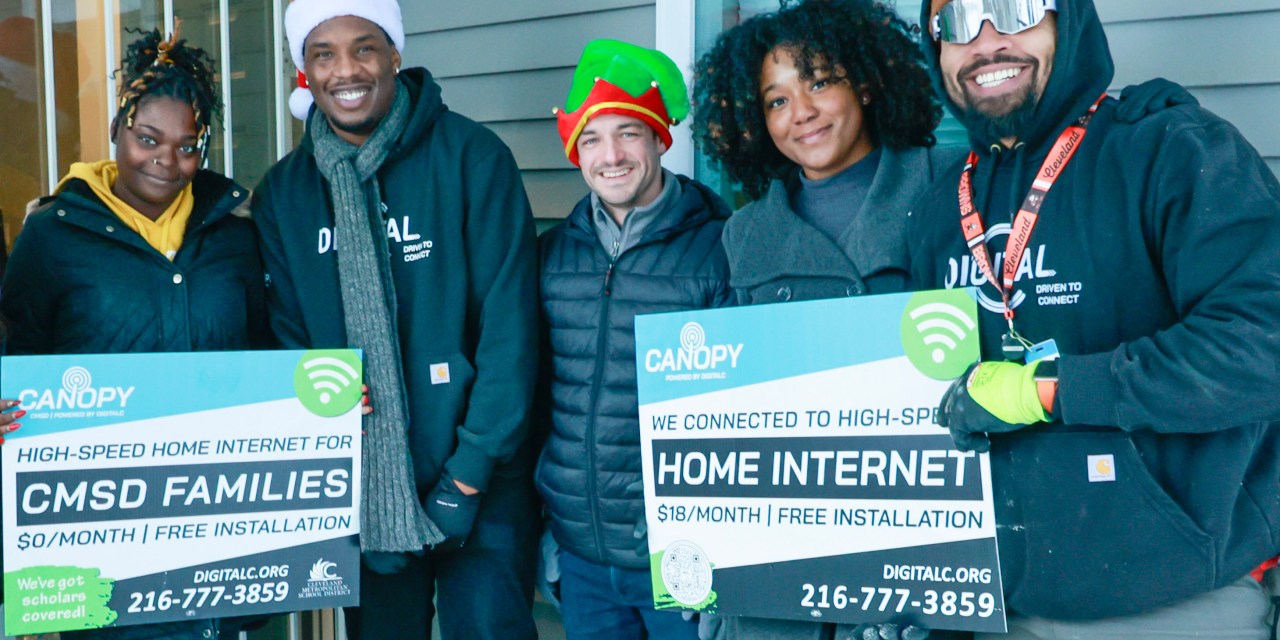
In less than two years, a locally led broadband effort says it has connected more than 7,500 households across Cleveland.
Edited by Brad Randall, Broadband Communities
DigitalC, which launched its citywide connectivity push in January 2024, reported that the initiative has reached 7,500 households and more than 18,000 residents overall, with 4,700 of those household connections completed in 2025 alone.
“In less than two years, Cleveland moved from one of the worst cities for connectivity to a fully built, citywide network, turning broadband into an engine for digital empowerment,” said Joshua Edmonds, DigitalC’s CEO, in a recent release provided to Broadband Communities.
The organization announced in June 2025 that it had completed the full buildout of Cleveland’s next-generation network in under 18 months; a pace the group says places the project among the fastest community-based broadband deployments in the country. The approach, promoted as “The Cleveland Model,” aims to address affordability while maintaining service quality and has received attention beyond local borders.

DigitalC continues to invest in skills training
Digital skills training expanded alongside the physical network. Since January 2024, DigitalC reported training more than 17,500 residents, including 10,000 in 2025, and facilitating over 20,000 digital skills learning sessions through partnerships with schools, libraries, housing providers, and community organizations. Those sessions are intended to help residents use online tools for work, learning and healthcare, the group said.
This year the model also tested replication outside Ohio. In a partnership led by Rocket Community Fund with the City of Detroit, Detroit Housing Commission and Merit Network, DigitalC completed a pilot in Detroit that connected 450 families across three public-housing communities.
DigitalC credited a coalition of philanthropic, public and private partners for enabling the effort, naming The Mandel Foundation, The Myers Foundation, the State of Ohio, the City of Cleveland and Cleveland City Council, The Gund Foundation, Rocket Community Fund, Microsoft, and Google. Edmonds said the partnerships were essential to creating access that supports economic mobility through everyday online services.
AI tools from Noah Wire Services were used to help generate this report.
Get news like this in your inbox. Subscribe to the Broadband Communities newsletter!